A Visit to Karamoja: A Wake-Up Call and a Mission of Hope Namatata primary sch My recent visit to Karamoja was both heart-wrenching and inspiring. Nestled in the remote northeastern corner of Uganda, this region is often overlooked and forgotten. But what I saw on the ground was a sobering reminder of just how far we still have to go in ensuring every child has access to basic education and dignity.We visited several schools, or what remains of them. The “classrooms” we found were nothing more than three old UNICEF tents, originally intended as temporary structures but now the only place where over 300 children (100 per tent) gathered daily to learn. Time and the harsh Karamoja climate have not been kind to these tents—they are weather-beaten, torn, and barely provide shelter.Inside, the children were sitting on the mud floor, with no benches, no desks, and nothing but a battered blackboard at the front of the tent. Many had no notebooks or pens, and some resorted to writing directly on the ground with sticks. Since the withdrawal of U.S. aid, even the food supply has stopped, leaving these children hungry and trying to learn on empty stomachs.
A Visit to Karamoja:
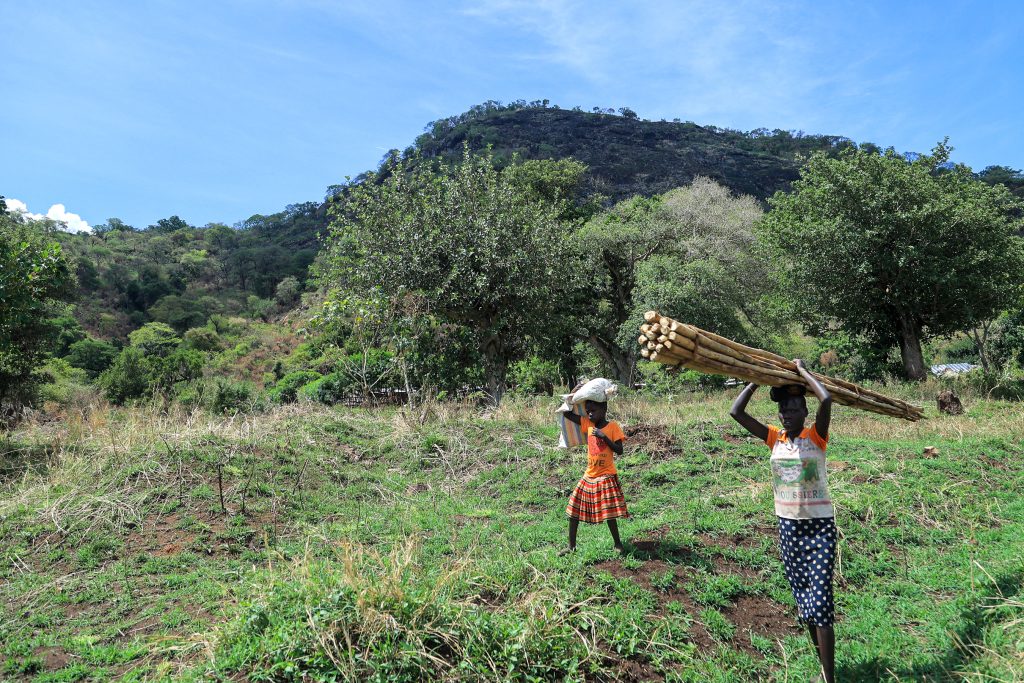
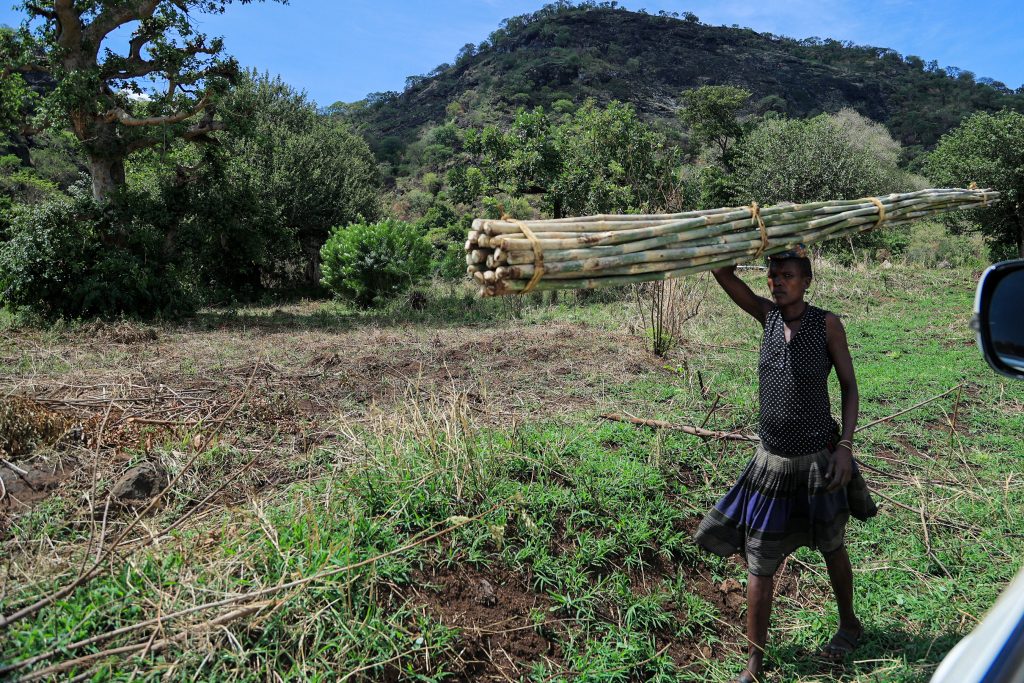
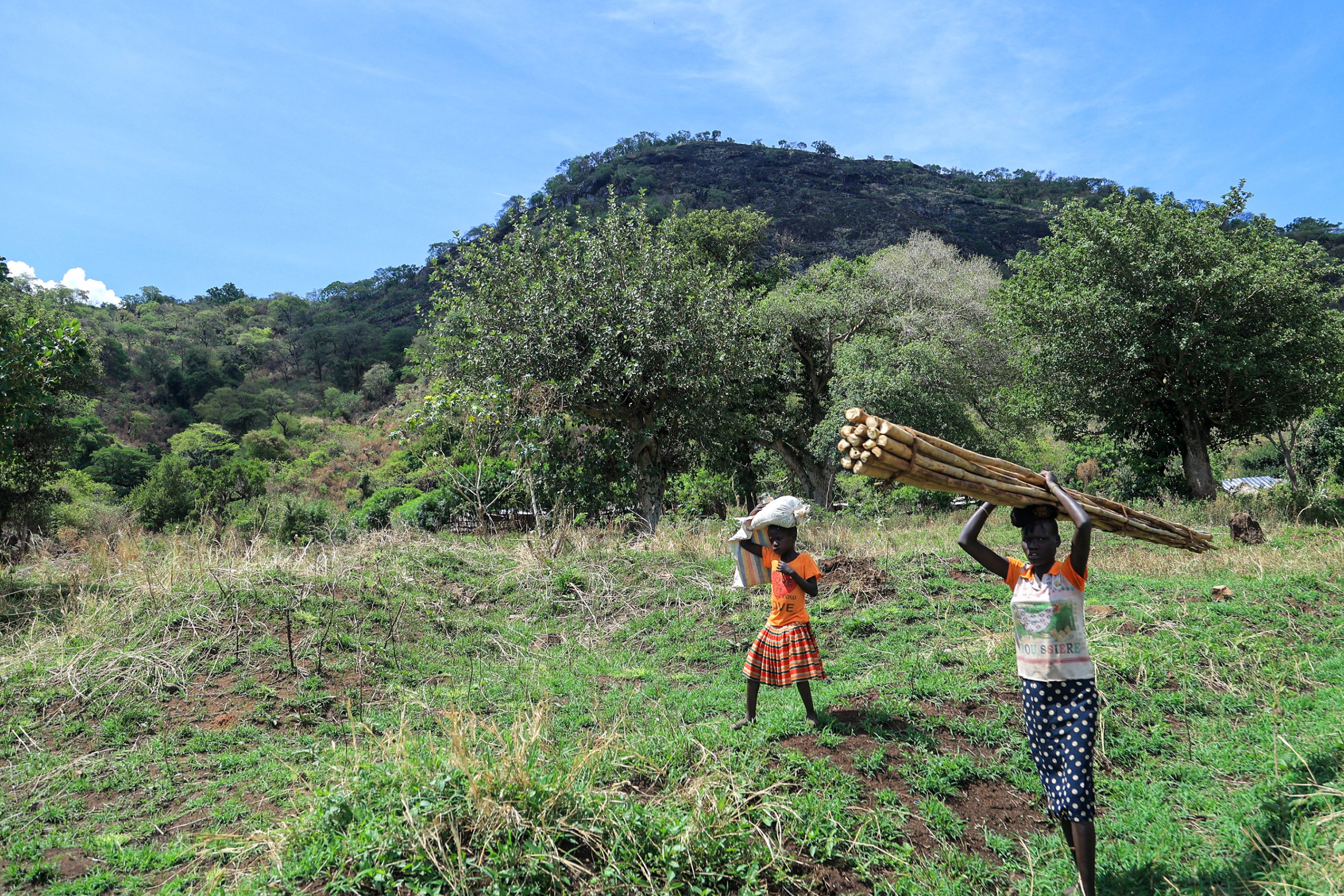
My recent visit to Karamoja was both heart-wrenching and inspiring. Nestled in the remote northeastern corner of Uganda, this region is often overlooked and forgotten. But what I saw on the ground was a sobering reminder of just how far we still have to go in ensuring every child has access to basic education and dignity.
We visited several schools, or what remains of them. The “classrooms” we found were nothing more than three old UNICEF tents, originally intended as temporary structures but now the only place where over 300 children (100 per tent) gathered daily to learn. Time and the harsh Karamoja climate have not been kind to these tents—they are weather-beaten, torn, and barely provide shelter.
Inside, the children were sitting on the mud floor, with no benches, no desks, and nothing but a battered blackboard at the front of the tent. Many had no notebooks or pens, and some resorted to writing directly on the ground with sticks. Since the withdrawal of U.S. aid, even the food supply has stopped, leaving these children hungry and trying to learn on empty stomachs.
A Visit to Karamoja: A Wake-Up Call and a Mission of Hope Namatata primary sch
My recent visit to Karamoja was both heart-wrenching and inspiring. Nestled in the remote northeastern corner of Uganda, this region is often overlooked and forgotten. But what I saw on the ground was a sobering reminder of just how far we still have to go in ensuring every child has access to basic education and dignity.
We visited several schools, or what remains of them. The “classrooms” we found were nothing more than three old UNICEF tents, originally intended as temporary structures but now the only place where over 300 children (100 per tent) gathered daily to learn. Time and the harsh Karamoja climate have not been kind to these tents—they are weather-beaten, torn, and barely provide shelter.
Inside, the children were sitting on the mud floor, with no benches, no desks, and nothing but a battered blackboard at the front of the tent. Many had no notebooks or pens, and some resorted to writing directly on the ground with sticks. Since the withdrawal of U.S. aid, even the food supply has stopped, leaving these children hungry and trying to learn on empty stomachs.
Harish Nathwani
After a successful career running multiple businesses, Harish has devoted his life to charitable work. He now leads humanitarian projects across some of the world’s poorest regions, building schools, running orphanages, and providing food and education for children.
Sed posuere consectetur est at lobortis lorem ipsum nulla vitae elit libero, a pharetra augue. Vestibulum id ligula porta felis euismod semper. Vivamus sagittis lacus vel augue laoreet rutrum faucibus dolor auctor.